Our collaboration with Bulthaup began when one of our projects caught Gerd Bulthaup’s eye – the Together Corner Bench designed for Walter Knoll, where we reinterpreted and updated the prototypical rustic corner bench. Bulthaup then invited us to take part in a competition: the assignment was to replace the System 20 modular kitchen by Herbert Schultes (1938–2020), which was based on the iconic kitchen workbench from 1988, with a new system. We won the first phase of the competition with the idea to clamp worktops of different lengths between two jaws – in the style of traditional woodworking benches. The more difficult task was to find a concept for storage elements. System 20 already had its weaknesses in this regard. After a few rather unsuccessful attempts, Gerd Bulthaup even threatened to terminate the project. In the end, a poetical analysis led us to, in retrospect, the most obvious solution: a tool cabinet used by craftsmen and women to organize their tools and utensils according to their own logic. In the course of our research, we also looked into the history of the kitchen and found a precedent of sorts for the design process: the kitchen of Pope Pius IV, which is depicted in Bartolomeo Scappi’s cookbook from 1570. Fortunately, our design approach also fit well with Bulthaup’s corporate philosophy, which is best expressed in Otl Aicher’s 1982 kitchen manifesto Die Küche zum Kochen: Das Ende einer Architekturdoktrin (A Kitchen for Cooking: The End of an Architectural Doctrine): a kitchen for the bare necessities.
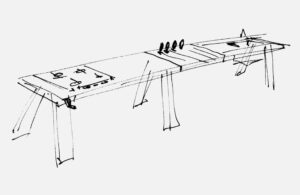
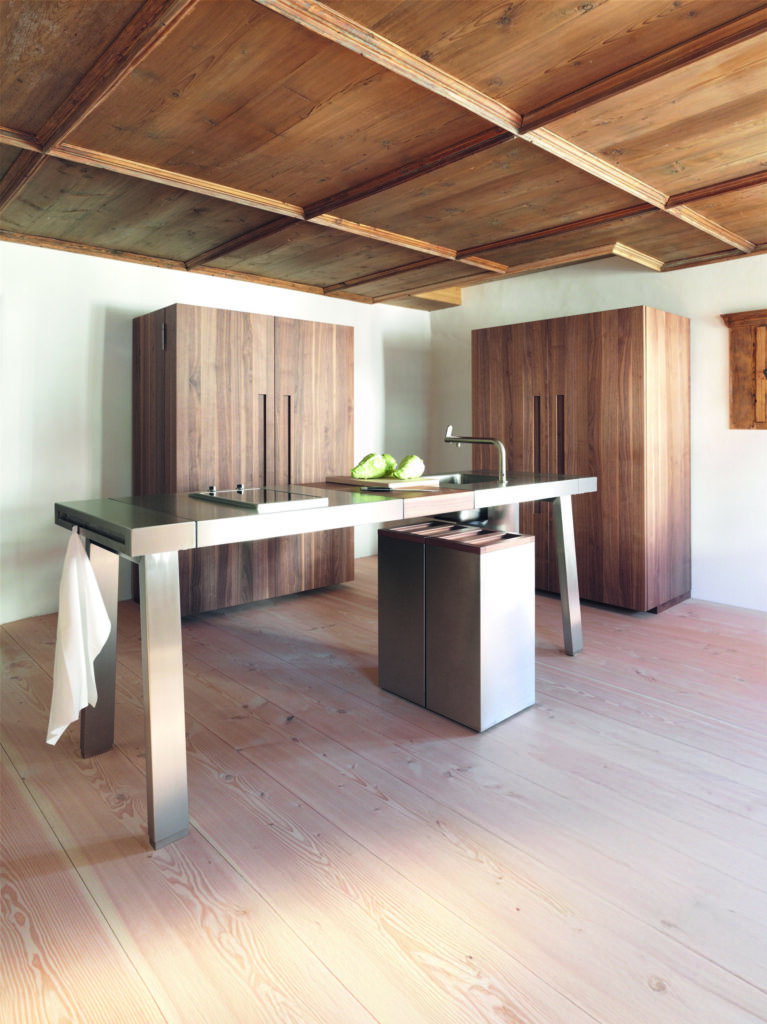
Extra-long workbenches require an additional foot in the middle. The kitchen workbench consists of two lateral jaws with individual modules clamped between them and special sealing profiles. The sequence of the modules – worktops, hot-plates and sinks – as well as the length of the work-bench can be changed and configured as desired.
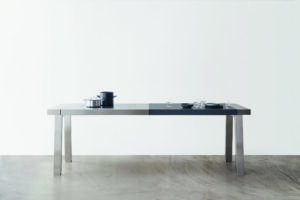
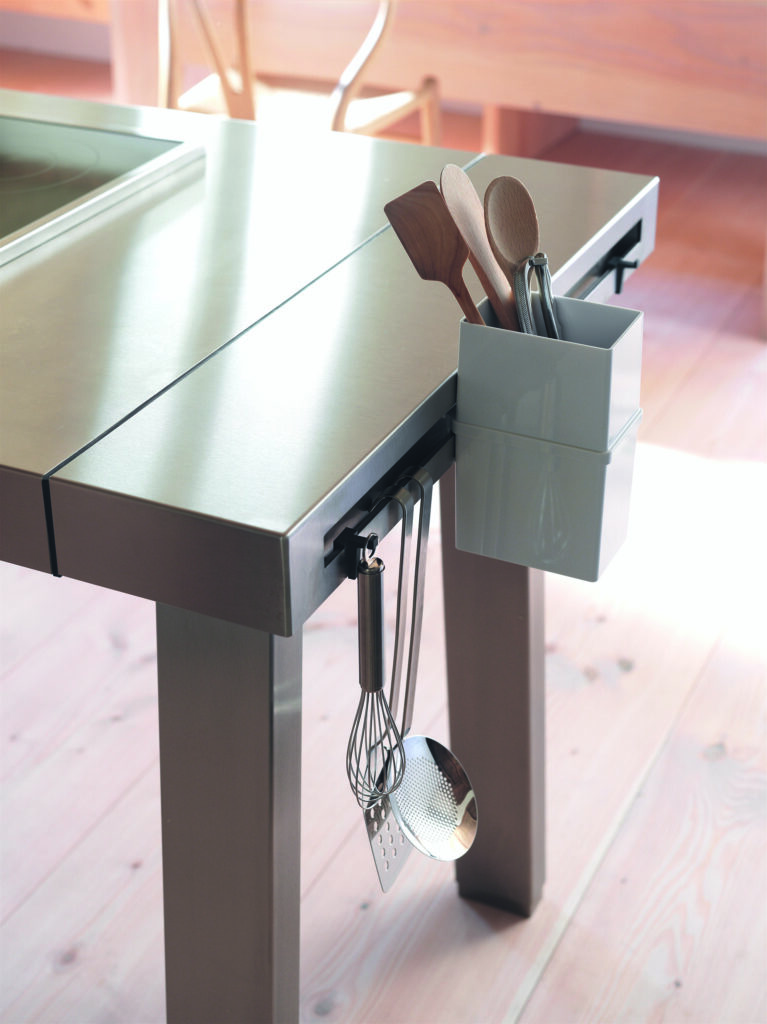
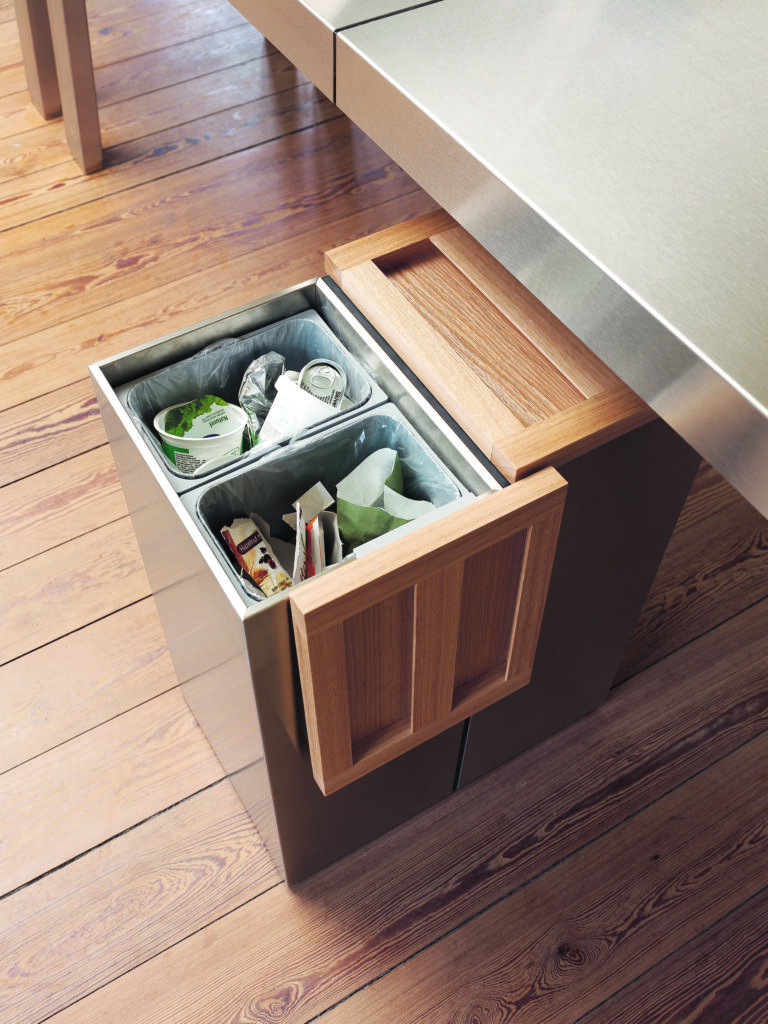
The functional slot along the outside of the clamping jaw can be used to hang items such as hooks, multi-purpose containers, spice jars and cooking utensils. Accessories also include mobile stainless steel waste containers with solid wood lids and hinged power sockets.
1/3
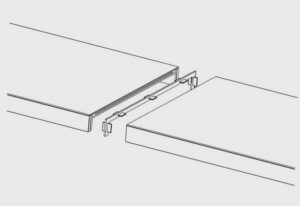
A reusable plastic sealing profile ensures precise, tight-fitting joints between the modules.
2/3
The functional slot along the outside of the clamping jaw can be used to hang items such as hooks, multi-purpose containers, spice jars and cooking utensils. Accessories also include mobile stainless steel waste containers with solid wood lids and hinged power sockets.
3/3
EOOS Cleares Out the Kitchen!
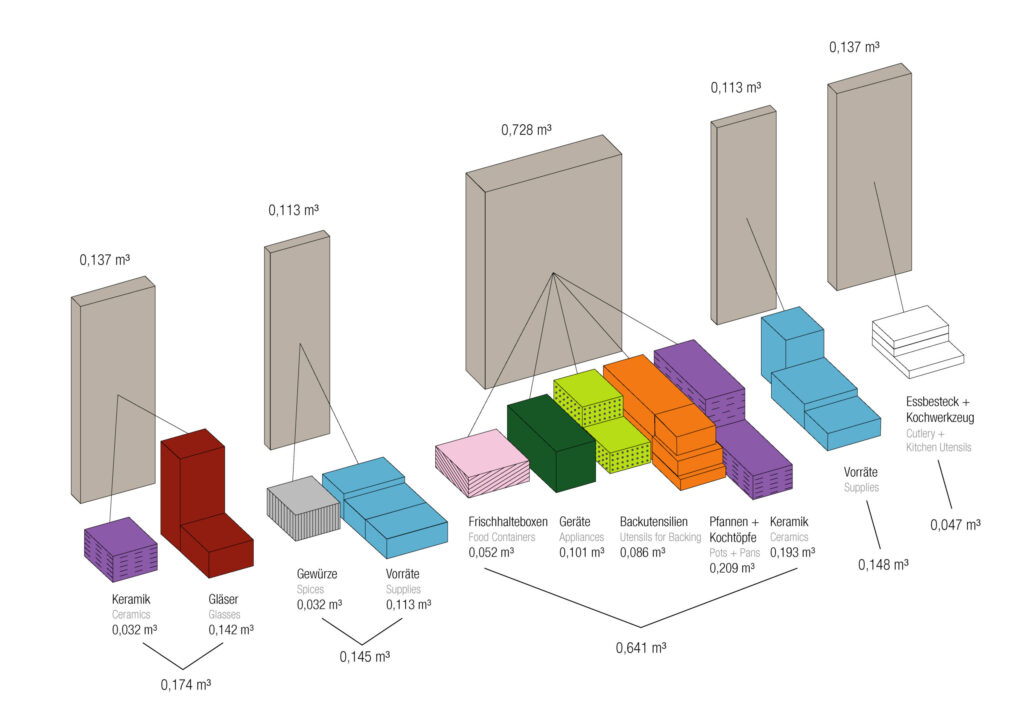
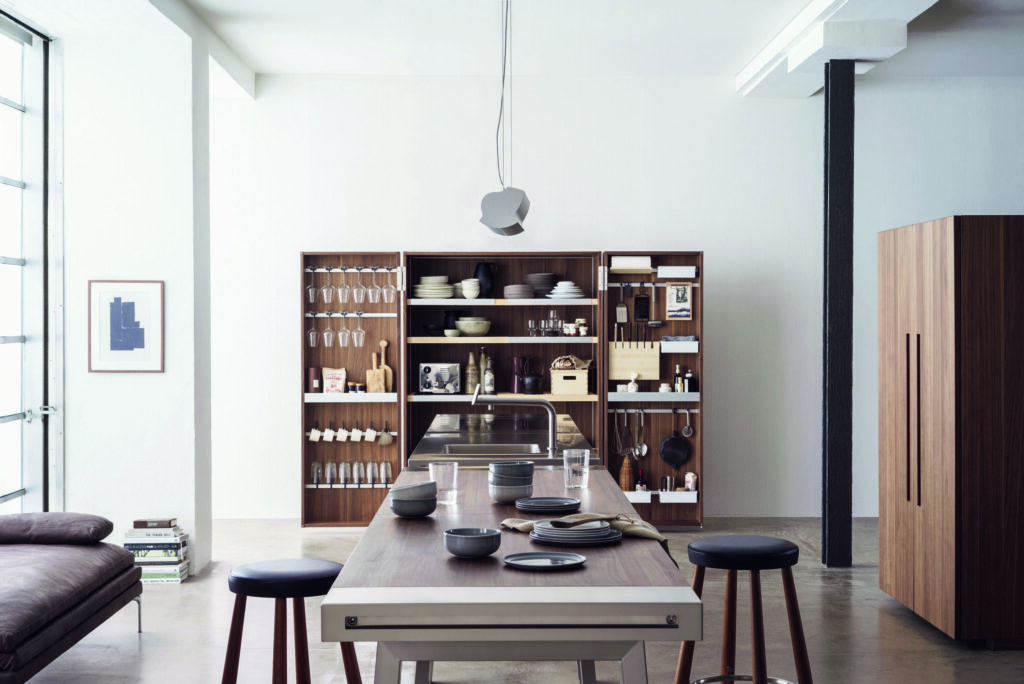
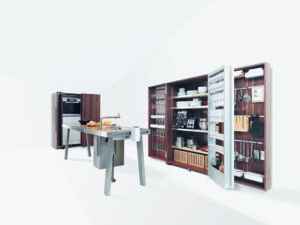
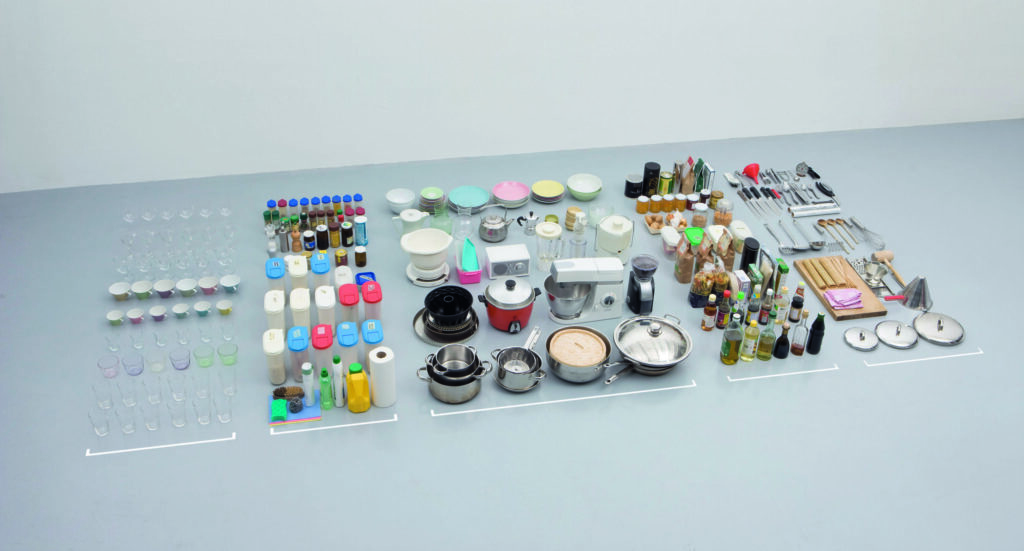
The inspiration for the storage space concept was a personal spot check: we emptied out Harald Gruendl’s kitchen and laid all the items and appliances on the floor, the complete contents of his kitchen. This demonstrated just how many superfluous things had accumulated in the drawers and what could be dis-pensed with. The objective was to consolidate. We divided the items into cate-gories, measured how much space they required and assigned them corre-sponding sizes of storage space in the tool cabinet: in the main body, on the in-sides of the doors and two additional storage frames.
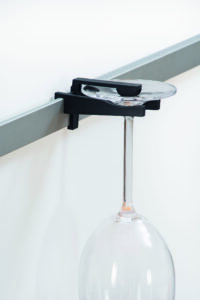
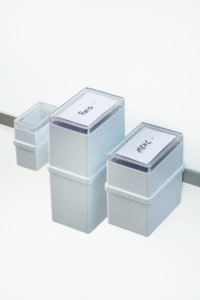
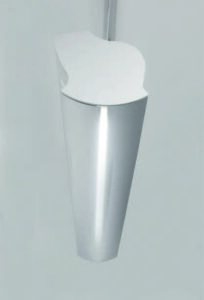
The functional slot along the outside of the clamping jaw can be used to hang items such as hooks, multi-purpose containers, spice jars and cooking utensils. Accessories also include mobile stainless steel waste containers with solid wood lids and hinged power sockets.
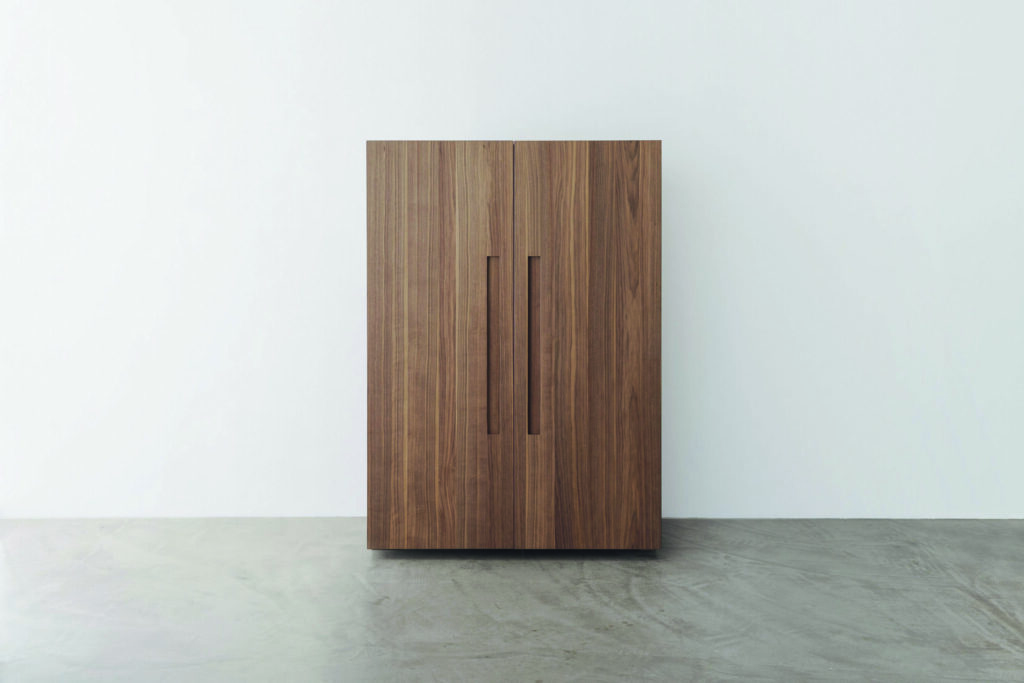
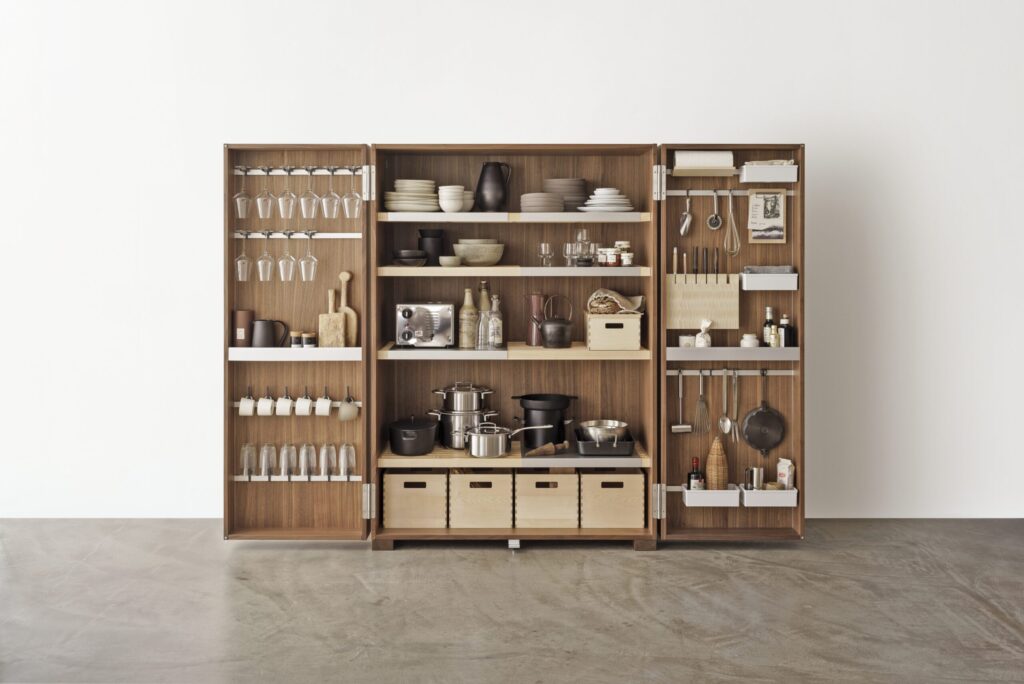
When the tool cabinet is open, all contents are visible at a single glance, well organized and at hand. In this way, you see how many items you have and which you could do without. Drawers have been elimi-nated in favor of this new ordering principle. Special hooks, glass holders, multipurpose containers, spice jars, wooden boxes, a knife rack, note holders and a bread box with lid were designed for the inner arrangement.
Related